When embarking on a painting project, the excitement of changing your room can promptly be eclipsed by worries about shielding your furniture and floors. Besides, you desire your recently repainted walls to shine without giving up the honesty of your cherished items. This article will certainly lead you with reliable strategies to guard your things throughout the paint process, ensuring that your job goes off without a hitch.
Understanding the Value of Protection
Before diving right into the specifics, it's crucial to realize why safeguarding your furniture and floorings is so vital during a paint project. Paint spills and splatters can create permanent damages, causing pricey fixings or substitutes. Additionally, guarding your setting improves the performance of the task itself, enabling quicker clean-up and much less tension overall.
Why You Ought to Focus on Furniture Protection
Your furnishings is an investment; thus, it deserves defense throughout any home renovation project. Right here are several reasons focusing on furniture protection is essential:

- Avoiding Spots: Paint discolorations can be challenging to eliminate from upholstery or wood finishes. Preserving Value: Well-maintained furniture retains its worth much better over time. Preventing Damages: Scrapes or damages from moving products around can lead to expensive repairs.
The Expense of Overlooking Protections
Failing to protect your possessions can cause significant economic effects. Not only may you need to replace tarnished rugs or harmed furnishings, yet you might additionally encounter the trouble of handling insurance policy claims if damage occurs.
How to Safeguard Your Furnishings and Floors Throughout a Paint Project
Now that we have actually established the relevance of security, let's explore useful methods on just how to secure your furniture and floorings throughout a painting project.
1. Clear Out the Room
Why Cleaning Out is Crucial
Before starting any type of painting work, it's vital to clean out as much furniture as possible from the area. This minimizes the risk of damaging items and develops even more area for maneuvering.

Steps for Effective Area Clearance
- Remove Small Things: Eliminate tiny decorative pieces like vases or picture frames. Relocate Larger Furniture: If possible, move bigger items out entirely. Use Temporary Storage Solutions: Consider renting a storage space system or using a garage if space permits.
2. Treatment Furnishings with Drop Cloths
Choosing the Right Decline Cloths
Invest in top notch drop cloths designed particularly for paint tasks. They are available in numerous products such as canvas or plastic.
Application Tips for Drop Cloths
- Drape drop cloths over all surfaces that can not be moved. Secure edges with painter's tape if necessary.
3. Utilizing Cling Wrap on Upholstery Items
Benefits of Plastic Wrap
Plastic cover gives a closed seal that safeguards upholstery from paint fumes as well as spills.
How to Use Cling wrap Effectively
Clean surfaces prior to wrapping. Begin at one end and wrap tightly around each piece. Ensure there are no voids where paint can permeate through.4. Floor Protection Techniques
Protecting floors is equally as essential as safeguarding furniture. Here's exactly how you can do it properly:
Using Painter's Tape Around Edges
Painter's tape develops a safety obstacle that protects against paint from hemorrhaging onto undesirable areas.
Applying Drop Cloths on Floors
Just like with furnishings:
- Use canvas ground cloth for maximum absorption. Secure them at edges with painter's tape.
5. Using Cardboard Boxes and Other Materials
Sometimes easy options work best! Cardboard boxes can offer multiple functions:
- Protect surface areas underneath heavy items. Create barriers versus spills by laying them down strategically.
6. Relocating Hefty Things Carefully
If certain pieces need to continue to be in position:
- Use sliders or dollies to relocate them without triggering scrapes on either floorings or products themselves.
FAQs Concerning Shielding Your Furnishings and Floors During Painting
Q: What kind of ground cloth ought to I make use of for wood floors?
A: Canvas drop cloths are very suggested for hardwood floors since they absorb spills without slipping.
Q: Can I use old sheets as opposed to purchasing decrease cloths?
A: While old sheets can operate in a pinch, they might not offer ample security compared to purpose-built ground cloth that avoid slip hazards.
Q: Ought to I remove lights before painting?
A: Yes! Removing lights not only protects them yet additionally stops unintended paint splatter when functioning near ceilings.
Q: Exactly how do I clean up after spilling paint?
A: Act rapidly! Blot (don't scrub) the area with a paper towel and use warm soapy water for fabric surfaces; solvents may be required for tough surface areas relying on paint type.
Q: Is it required to cover windows?
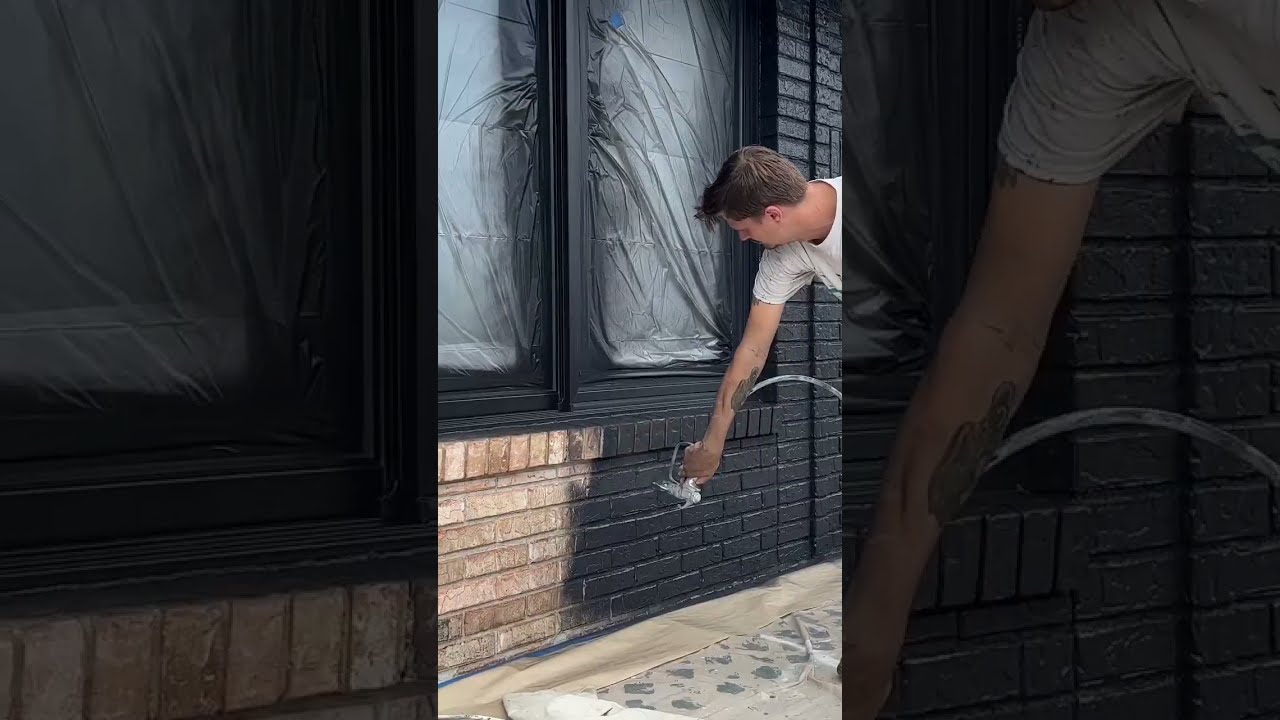
A: Covering windows isn't strictly needed yet is sensible if you're utilizing spray paints or collaborating with particularly unpredictable compounds that could develop overspray.
Q: Can I paint while my furniture is still in place?
A: Yes, but it's advisable just if you take proper safety measures like covering every little thing thoroughly with drop cloths and plastic sheeting.
Conclusion
In https://www.facebook.com/BlackRhinoPainting/ conclusion, recognizing exactly how to shield your furnishings and floorings throughout a painting job is essential for preserving both their appeal and performance. By employing easy yet efficient approaches-- like cleaning out spaces, utilizing premium protective products, and taking care when handling products-- you make certain that your paint job remains hassle-free while protecting your investments.
With purposeful prep work and focus to information, you'll not only attain magnificent results yet additionally delight in satisfaction throughout the endeavor. Satisfied painting!